Blog
All About Diamond Laser Inscriptions (And Why They Matter for Your Ring)
When you’re choosing a diamond, it’s easy to get lost in carat, cut, and sparkle. But there’s one tiny detail that quietly protects you from mix-ups and fraud: the laser inscription on your diamond’s girdle. At Da Vinci Jewelry Design, we treat that inscription as part of your diamond’s fingerprint a way to match the stone in your hand to the certificate on your screen, and to protect your ring through sizing, repairs, and resets.
What Is a Diamond Laser Inscription?
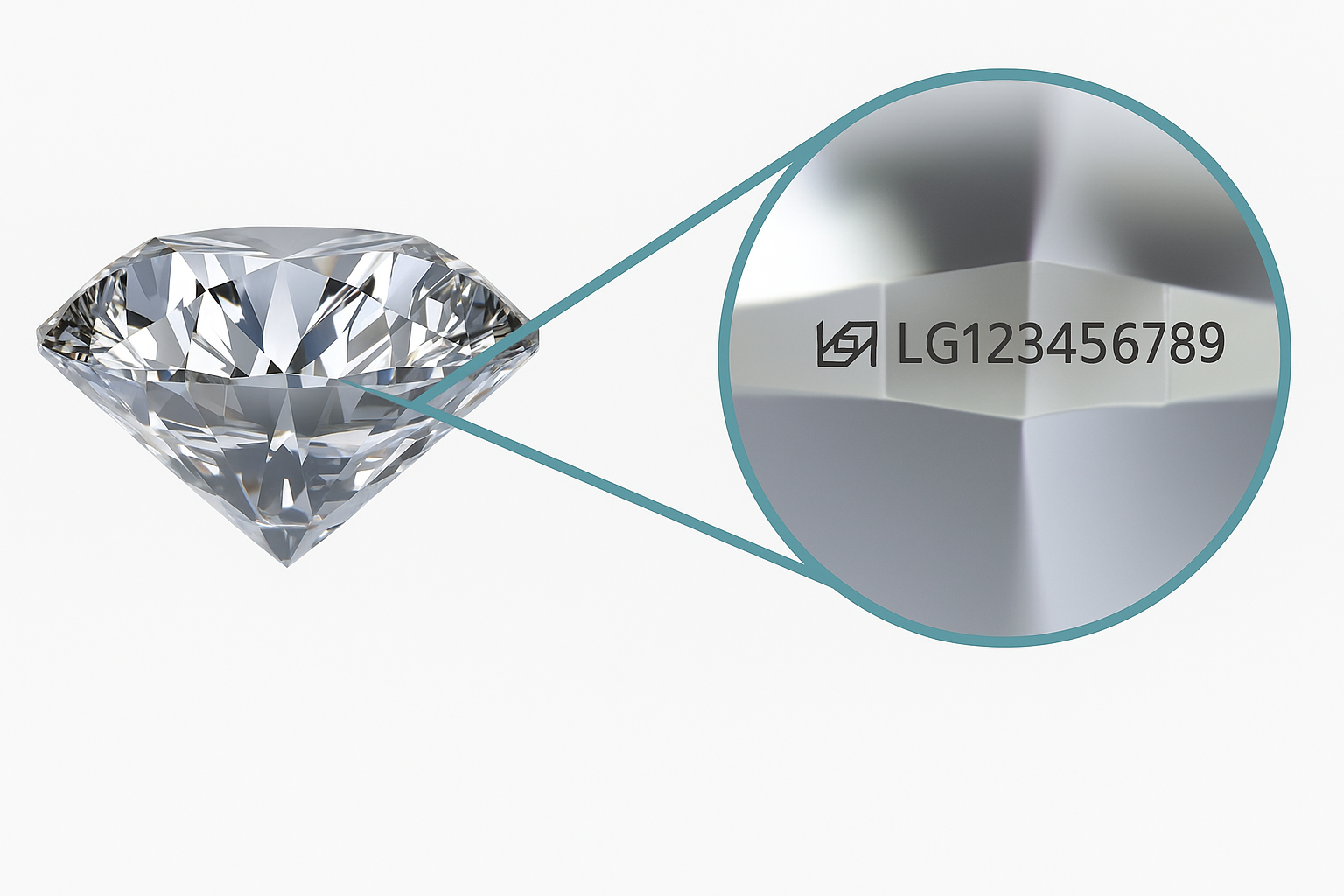
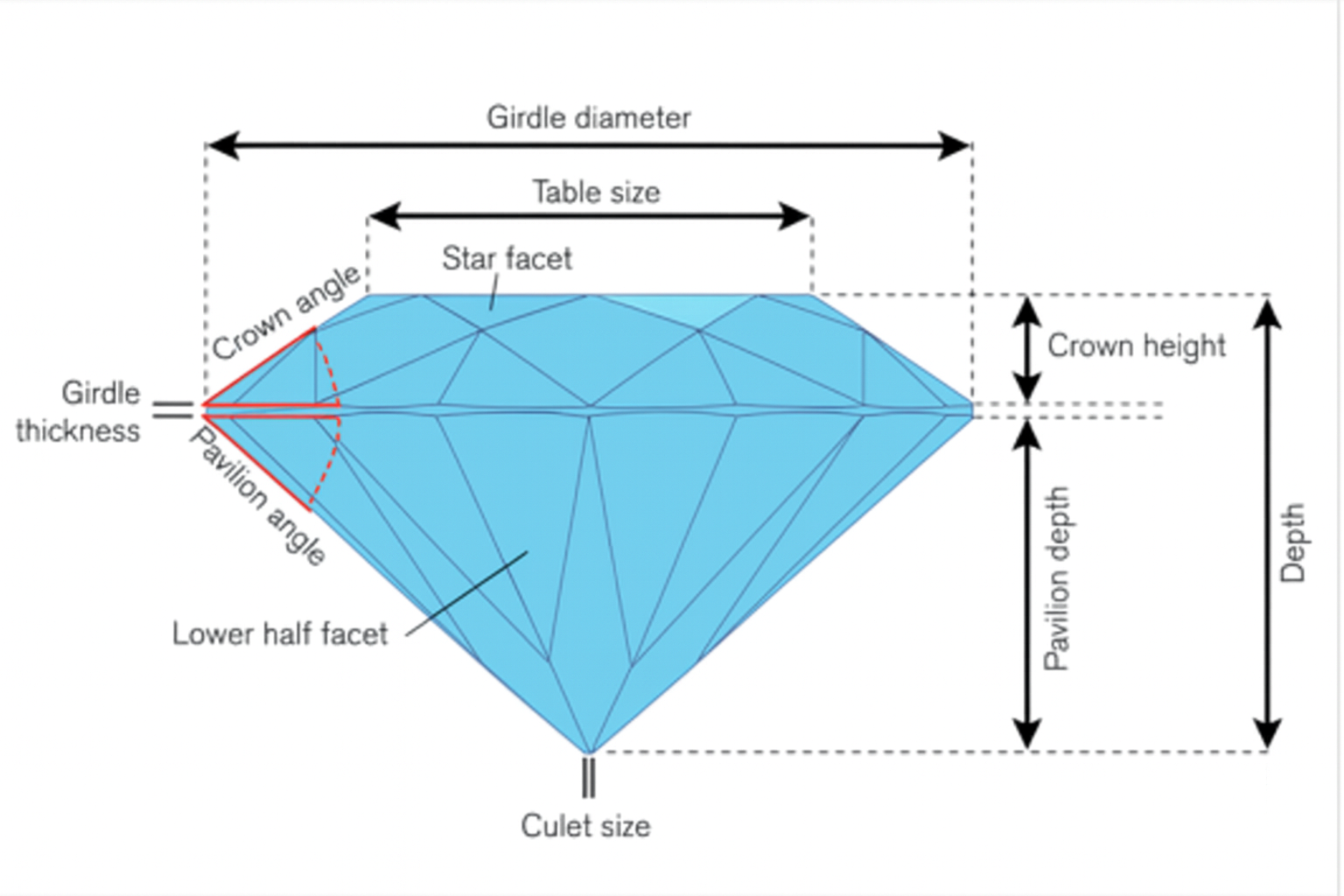
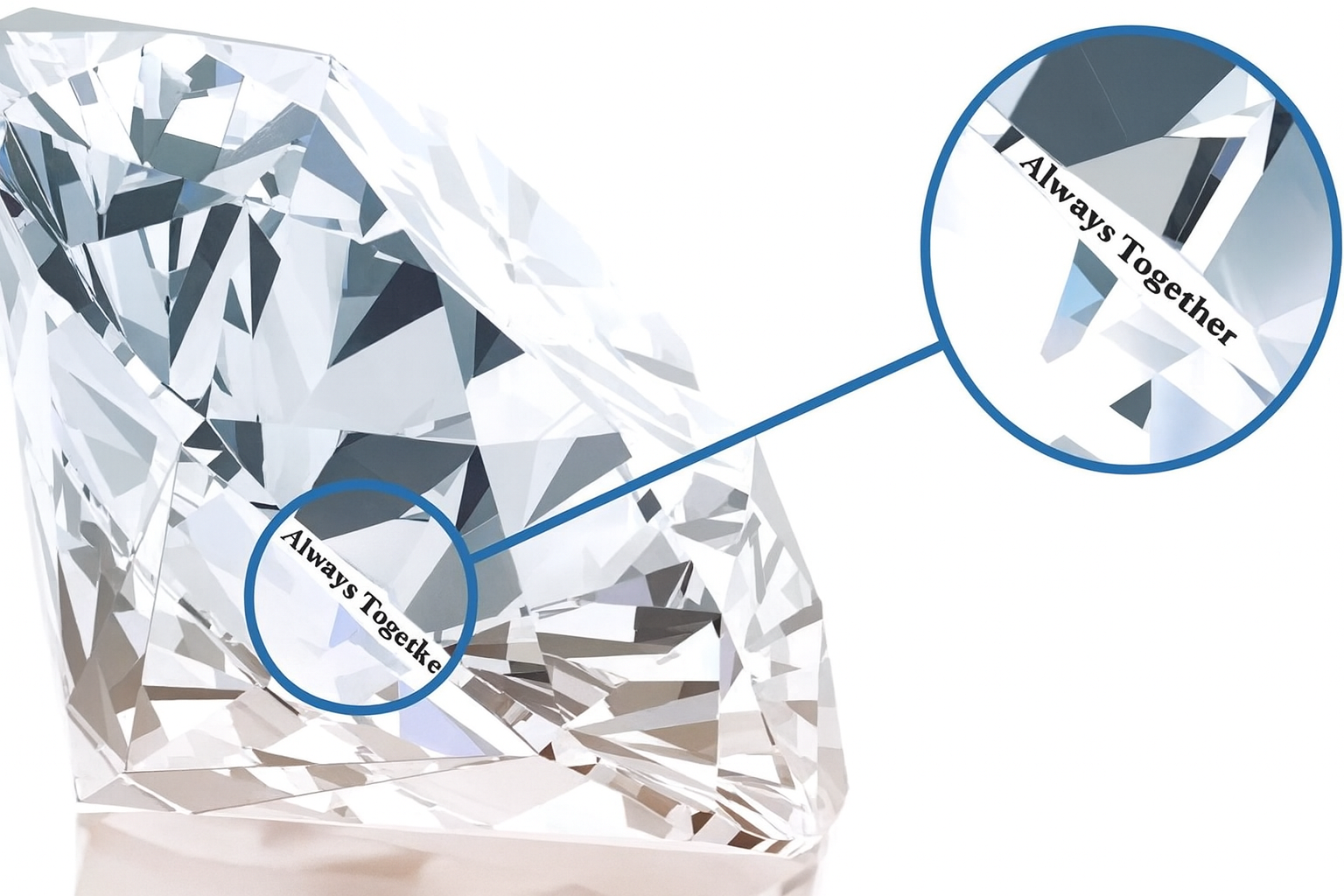
A diamond laser inscription is a microscopic line of letters and numbers etched onto the girdle, the thin “belt”, around the middle of the diamond using a precise laser beam.
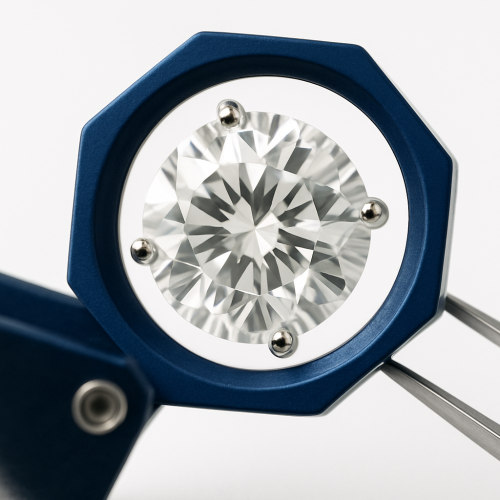
- It’s not visible to the naked eye. You need at least a 10× jeweler’s loupe (often 10x – 20x) to see it clearly.
- Done correctly, it does not change the diamond’s color, clarity, or brilliance. Major labs and educators confirm that the process is non-invasive when properly executed.
Think of it as a serial number on the stone itself one that ties it directly to its grading report.
Where You’ll Find the Inscription (and How to See It)
Most inscriptions sit on the girdle, running as a tiny line of characters around the edge. To see it it:
- Ask for a loupe or microscope
- A 10× loupe is standard; a bench microscope will make it easier, especially for first-timers.
- Rotate the diamond slowly
- Rest the stone in a ring holder or tweezers.
- Rotate around the girdle until you spot a faint, laser-etched line.
- Match the number
- Compare what you see on the diamond to the report number on your grading certificate (GIA, IGI, GCAL, AGS, etc.)
At DVJD, we’re happy to walk you through this live in person or via camera during a virtual consult, so you can literally watch the inscription and certificate line up.
What Gets Laser-Inscribed on a Diamond?
Depending on the lab and the jeweler, you might see:
- Grading report number + lab initials
- Example: GIA 123456789 or IGI LG123456789
- “Lab Grown” “LG” or similar wording for lab-grown stones to clearly identify their origin (required or strongly encouraged by major labs and retailers).
- Brand or stock numbers used internally by manufacturers or retailers.
- Personal messages such as initials, a date, or a tiny symbol (heart, infinity sign, etc.), when requested.
Why Laser Inscriptions Matter for You?
Inscriptions are “microscopic fingerprint” that links the diamond to its grading report, and highlights how this prevents mix-ups and fraud.
1. Proof You’re Getting the Stone You Paid For
When you choose a diamond, its certificate number is recorded.
The same number is etched on the stone’s girdle.
Before and after any setting or resizing, we can verify that number matches.
This protects you from:
- Honest mix-ups in busy workshops (stones being removed from settings).
- Rare but real stone-swap fraud, where a lower-quality stone is substituted.
2. Extra Security for Repairs, Resizing & Resets
We document your diamond’s inscription before it leaves your finger.
During any DVJD repair, resize, or redesign, we can confirm the same stone comes back to you.
Combined with photos and stone mapping, it supports a “Legacy SafeGuard” approach to heirlooms.
3. Easier Insurance & Recovery
Insurance companies love clear identifiers.
If your ring is lost or stolen and later recovered, that unique inscription number is a powerful way to prove ownership.
4. Personalized Storytelling
You can engrave a proposal date, initials, or a symbol alongside the report number.
It’s invisible in everyday wear but adds a secret layer of meaning to the stone itself.
Do Laser Inscriptions Affect a Diamond’s Beauty or Value?
Short answer: Done correctly, no.
- Labs like IGI and others note that laser inscriptions are microscopic and placed on the girdle, away from the main light-return areas.
- They do not change the 4Cs (carat, color, clarity, cut) or sparkle.
On resale/value:
- Standard report numbers are considered neutral or positive—they help prove authenticity.
- Highly personal messages might be less appealing to a future buyer, but inscriptions can usually be polished off by a professional, with only a negligible effect on weight if done carefully.
Lab-Grown vs Natural: Any Difference for Inscriptions?
Inscriptions are used on both lab-grown and natural diamonds. The key difference is what they say, especially around disclosure:
- Many lab-grown diamonds are inscribed with:
- The grading lab’s report number, and
- Clear wording like “LAB GROWN,” “LG,” or similar
- Natural diamonds usually show the lab name + report number only.
At Da Vinci the inscription helps us keep everything transparent: your stone is mining-free, ethically grown, and fully documented.
How DVJD Uses Laser Inscriptions in Your Buying Journey
- During selection
- We show the grading report and explain where to find the inscription on the stone.
- In virtual consults, we can share live camera views through a microscope so you see it yourself.
- During setting & customization
- For custom designs, we verify and note the inscription before the stone is set.
- If your ring ever comes in for resizing or repair, we re-check the inscription as part of our intake vs. outtake process.
What exactly is a diamond laser inscription?
It’s a microscopic line of characters etched onto the diamond’s girdle using a precise laser beam. It usually includes the grading report number and sometimes the lab initials, “lab grown,” or a short custom message. It’s only visible under magnification, not with the naked eye.
Can I see the inscription myself?
Yes. With a 10× jeweler’s loupe or microscope, you can slowly rotate the diamond and find the tiny etched text on the girdle. At Da Vinci, we’re happy to show you exactly where it is and help you match it to your certificate.
Does laser inscription affect my diamond’s sparkle or quality?
No, when done properly, laser inscriptions are non-invasive and do not change the diamond’s 4Cs or brightness. They sit on the girdle, not on the main facets that control light performance.
Do all certified diamonds come laser-inscribed?
Not all, but many modern certified diamonds, especially from major labs, do carry a laser inscription. Some older stones or small diamonds may not. We’ll tell you clearly whether a stone you’re considering at Da Vinci has one, and what it says.
How does an inscription protect me from fraud or stone swapping?
Because the inscription number is meant to match the grading report, it becomes a quick way to confirm the diamond in your ring is the same one on your certificate—before and after setting, resizing, or repairs. This helps prevent both honest mix-ups and rare but serious swap scenarios.
Can I personalize the inscription with initials or a date?
Yes. Many labs and jewelers offer custom inscriptions initials, proposal dates, short phrases, or symbols on the girdle. We’ll help you keep it short (space is limited) and discuss how it might impact future resale or changes.
Can a laser inscription be removed or changed later?
It’s usually possible to polish off or alter an inscription by removing a very thin layer of the girdle. This should only be done by an expert, because it can slightly change the carat weight and requires care to preserve the stone’s proportions.
How are lab-grown diamonds labeled in their inscription?
Most lab-grown diamonds include:
- The lab’s report number, and
- Some indication like “LAB GROWN” or “LG” so the stone’s origin is clear.
This aligns with Da Vinci commitment to transparent, ethical, mining-free stones, no surprises.